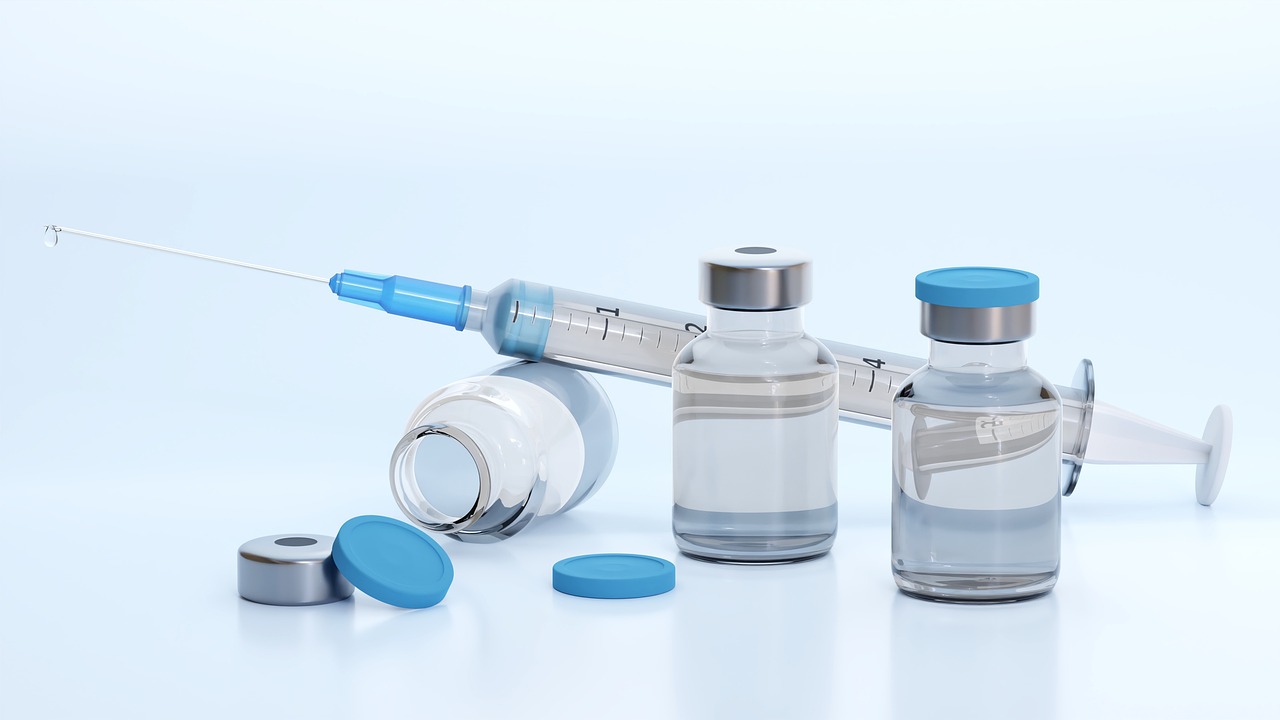

In a world increasingly driven by fast-paced routines, digital distractions, and processed food choices, our health often takes a backseat. Yet, there’s a simple and powerful approach that can add years to our lives and life to our years — preventive health care.
What Is Preventive Health Care?
Preventive health care focuses on maintaining health and well-being, rather than treating illnesses after they occur. It includes measures like regular checkups, vaccinations, screenings, a balanced diet, physical activity, and healthy lifestyle choices.
Rather than waiting for symptoms to appear, preventive care helps identify potential risks early, giving you a better chance to take action before a condition becomes serious.
Why Preventive Care Matters
1. Early Detection Saves Lives
Many chronic diseases — such as diabetes, hypertension, and cancer — can be managed effectively if caught early. Routine health screenings can detect issues before they worsen, leading to better outcomes and lower treatment costs.
2. Lower Health Care Costs
Investing in preventive health means lower long-term expenses. Regular screenings and vaccinations reduce the need for emergency room visits and expensive treatments. A simple checkup today can save thousands tomorrow.
3. Improved Quality of Life
Preventive care is not just about living longer — it’s about living better. Staying active, eating well, and managing stress lead to improved energy, better mood, and fewer days lost to illness.
Key Elements of Preventive Health Care
● Regular Health Checkups
Visit your doctor for annual physicals and necessary screenings like blood pressure, cholesterol, and glucose levels. Women may need mammograms and Pap smears, while men may need prostate exams.
● Vaccinations and Immunizations
Protect yourself and your community by staying up to date with vaccines, including flu shots, COVID-19 boosters, and other region-specific immunizations.
● Healthy Lifestyle Choices
-
Eat Smart: Focus on whole grains, fresh vegetables, lean proteins, and healthy fats.
-
Stay Active: Aim for at least 150 minutes of moderate exercise each week.
-
Avoid Tobacco & Excessive Alcohol: These are major risk factors for many preventable diseases.
● Mental Health Care
Preventive health isn’t just physical. Regular mental wellness checks, stress management techniques, and open conversations about emotions are vital to overall health.
Common Preventive Screenings by Age
| Age Group | Recommended Screenings |
|---|---|
| 20s-30s | Blood pressure, cholesterol, skin checks |
| 40s | Diabetes, mammograms (women), eye exams |
| 50s+ | Colonoscopies, bone density tests, hearing tests |
Always consult your healthcare provider for personalized guidance.
The Role of Technology in Preventive Health
Today, technology has revolutionized health monitoring:
-
Wearable Devices: Track your heart rate, sleep patterns, and activity levels.
-
Telehealth: Get consultations from doctors online, saving time and improving accessibility.
-
Health Apps: From meal tracking to mindfulness reminders, digital tools are empowering people to take control of their wellness.
Preventive Health in the Workplace
Many companies now offer employee wellness programs — including gym memberships, health screenings, and mental health support — to keep their workforce healthier and more productive.
A healthy employee is a productive employee, and preventive care in the workplace reduces absenteeism and healthcare costs.
Public Health & Community Impact
Preventive care is not just personal — it’s public. Widespread use of vaccines, early detection of contagious diseases, and health education benefit entire communities by reducing the burden on healthcare systems.
Barriers to Preventive Care – and How to Overcome Them
-
Lack of Time: Set reminders or schedule appointments during lunch breaks or weekends.
-
Cost Concerns: Many preventive services are covered by insurance plans or government programs.
-
Lack of Awareness: Spread the word. Encourage friends and family to take preventive health seriously.
Conclusion: Invest in Health Today for a Stronger Tomorrow
Preventive health care isn’t a trend — it’s a lifestyle choice that empowers you to take charge of your future. Whether you’re 25 or 65, the actions you take today can pave the way for a healthier, more fulfilling life.
Make preventive care a habit, not a chore. Eat well. Move often. Rest fully. Stay curious about your health. And most importantly, never wait for illness to remind you of the value of staying healthy.
