
In today’s fast-paced world, where stress is high and time is limited, people often overlook their health until illness strikes. However, an ounce of prevention is truly worth a pound of cure. Preventive health strategies empower individuals to take control of their well-being before any disease takes root. In this comprehensive guide, we’ll explore how you can beat illness before it starts by mastering proven preventive strategies that are simple, sustainable, and science-backed.
1. The Power of Preventive Health
Preventive health focuses on maintaining wellness and avoiding disease, rather than treating symptoms after they appear. It includes a range of practices—from vaccinations and screenings to lifestyle changes and mental health management. According to the World Health Organization (WHO), over 80% of heart diseases, strokes, and type 2 diabetes, and over a third of cancers could be prevented through lifestyle modifications.
Why It Matters
-
Reduces long-term healthcare costs
-
Increases life expectancy
-
Enhances quality of life
-
Strengthens immunity and resilience
2. The Pillars of Preventive Health
A. Smart Nutrition Choices
Food is medicine. A well-balanced diet rich in fruits, vegetables, whole grains, lean proteins, and healthy fats is the foundation of good health.
Preventive Nutrition Tips:
-
Eat the rainbow: Include a variety of colorful fruits and vegetables daily.
-
Avoid processed foods and sugary drinks.
-
Stay hydrated—drink at least 8 glasses of water a day.
-
Incorporate antioxidants (found in berries, nuts, and green tea) to fight inflammation.
B. Regular Physical Activity
Exercise boosts circulation, strengthens the heart, improves mood, and helps maintain a healthy weight.
Recommended Routine:
-
Aim for 150 minutes of moderate aerobic activity per week.
-
Combine with strength training at least 2 times a week.
-
Include flexibility exercises like yoga or stretching.
C. Mental Wellness Management
Mental health is a core component of preventive care. Stress, anxiety, and depression can weaken the immune system and contribute to chronic disease.
Mental Health Practices:
-
Practice daily mindfulness or meditation.
-
Get 7–9 hours of quality sleep.
-
Maintain social connections.
-
Seek therapy or counseling when needed.
3. Routine Health Screenings and Checkups
Regular checkups can catch diseases like cancer, diabetes, or hypertension early—when they are most treatable.
Key Screenings Based on Age & Risk:
-
Blood pressure: Annually or as advised
-
Cholesterol: Every 4–6 years after age 20
-
Diabetes screening: Especially if overweight or over 45
-
Cancer screenings: Mammograms, colonoscopies, prostate checks, etc.
-
Dental and eye exams: At least once a year
Preventive healthcare means being proactive—not waiting until symptoms appear.
4. Immunizations: Your Defense Shield
Vaccinations are one of the most effective preventive tools in modern medicine. They protect not only individuals but also communities through herd immunity.
Essential Vaccines Include:
-
Influenza (yearly)
-
Tetanus-diphtheria-pertussis (Tdap)
-
Human papillomavirus (HPV)
-
COVID-19 and booster doses
-
Pneumococcal and shingles (especially for older adults)
Always consult your doctor to keep your immunization record up to date.
5. Building a Preventive Lifestyle
A. Quit Smoking & Avoid Harmful Substances
Smoking, alcohol abuse, and recreational drugs are major risk factors for chronic illness. Quitting or avoiding these can dramatically improve your health outlook.
Support Tools:
-
Nicotine patches or gum
-
Counseling and support groups
-
Mobile health apps
-
Professional addiction treatment programs
B. Maintain a Healthy Weight
Obesity is linked to a range of preventable diseases, from cardiovascular issues to certain cancers. Focus on gradual, sustainable weight loss through:
-
Caloric awareness
-
Portion control
-
Meal planning and home cooking
-
Active living
C. Hygiene and Sanitation Practices
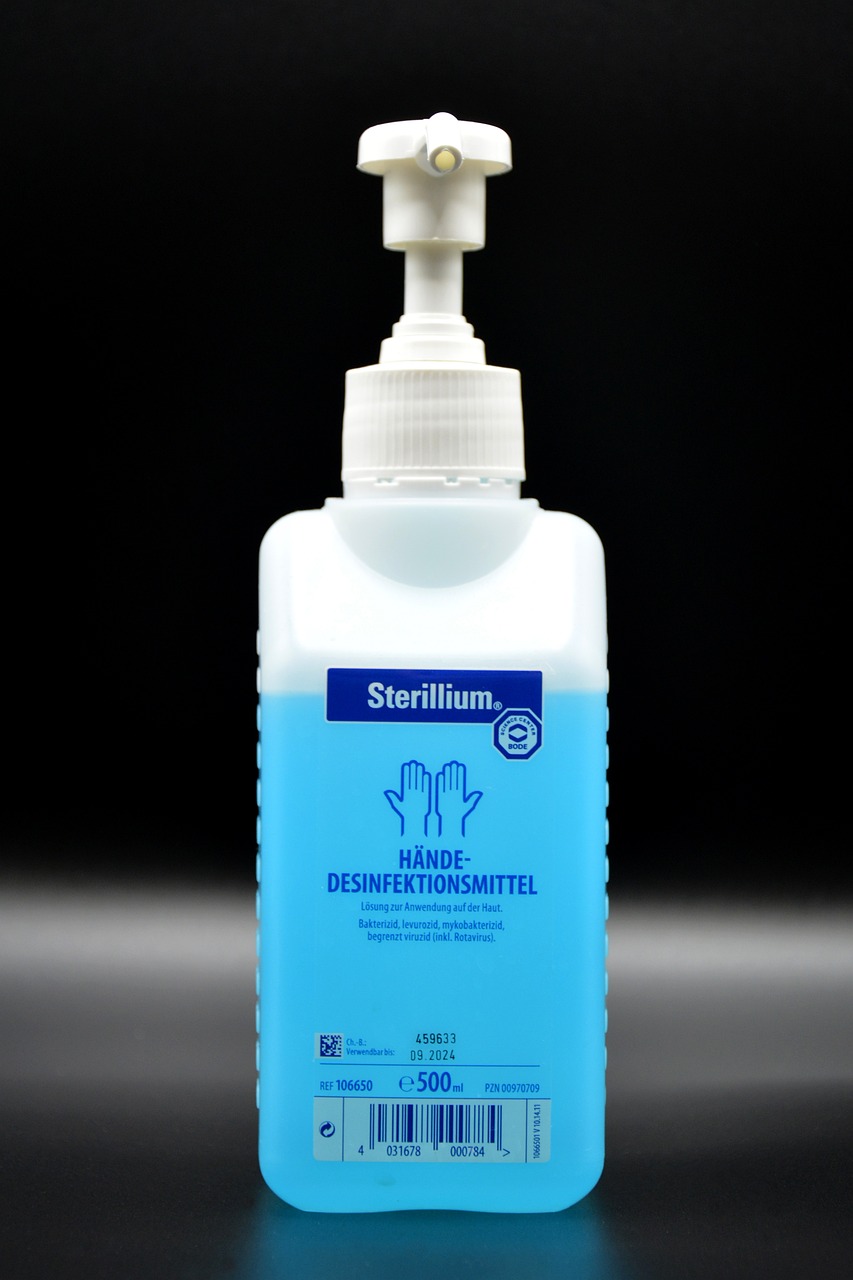
Handwashing, food safety, and clean environments prevent infectious diseases.
Hygiene Checklist:
-
Wash hands before meals and after restroom use
-
Disinfect high-touch surfaces
-
Practice safe food handling and storage
-
Wear masks when necessary during flu season or pandemics
6. Preventive Strategies for Children and Teens
Starting early is key. Teaching children preventive habits sets them up for a lifetime of wellness.
For Children:
-
Keep up with vaccination schedules
-
Encourage outdoor play and limit screen time
-
Provide nutritious meals and snacks
-
Teach emotional expression and stress management
For Teens:
-
Address mental health proactively
-
Encourage participation in sports or physical hobbies
-
Open discussions about substance use, sexual health, and digital wellness
7. Workplace Wellness and Prevention
For adults, the workplace plays a major role in their overall health. Employers and employees alike can foster healthier environments.
Healthy Workplace Tips:
-
Take short active breaks during long hours of sitting
-
Offer or participate in wellness programs
-
Promote ergonomic setups
-
Address burnout and mental fatigue
Companies that prioritize employee wellness benefit from reduced absenteeism and increased productivity.
8. Using Technology for Preventive Health
Health tech is transforming the way we prevent illness. From apps to wearables, tools are available to help you stay on track.
Top Tools:
-
Fitness trackers (e.g., Fitbit, Apple Watch)
-
Nutrition apps (e.g., MyFitnessPal)
-
Telemedicine for routine consultations
-
Health reminders via smart devices
Technology can be your accountability partner in achieving preventive goals.
9. Preventive Health for Seniors
As we age, the focus should shift more toward maintenance and monitoring.
Seniors Should Focus On:
-
Annual physical exams
-
Fall prevention strategies
-
Bone health (calcium, vitamin D, resistance exercises)
-
Managing chronic conditions with lifestyle support
-
Staying socially active to combat isolation
Aging gracefully means staying proactive.
10. Government and Community Support in Prevention
Prevention is not just an individual effort. Community and policy-level interventions also shape public health outcomes.
Successful Public Health Interventions:
-
Smoking bans and taxes on tobacco
-
Fluoride in drinking water
-
Public fitness campaigns
-
Affordable vaccination programs
-
Clean water and sanitation initiatives
Your health is influenced by the environment and systems around you—advocate for better policies!
Conclusion: Start Preventing Today, Not Tomorrow
Mastering preventive strategies is about making consistent, informed choices. Whether it’s a morning jog, a doctor’s checkup, a colorful plate of food, or a five-minute meditation—every action counts. Prevention doesn’t just add years to your life—it adds quality to those years.
Take action today and become the driver of your health, not a passenger. The best time to prevent illness was yesterday. The second-best time? Right now.
